Implementation Path
Model the real process as it operates today—including owners, decisions, timeouts, and edge cases.
Treat failure behavior as part of the design, not as an implementation detail discovered after launch.

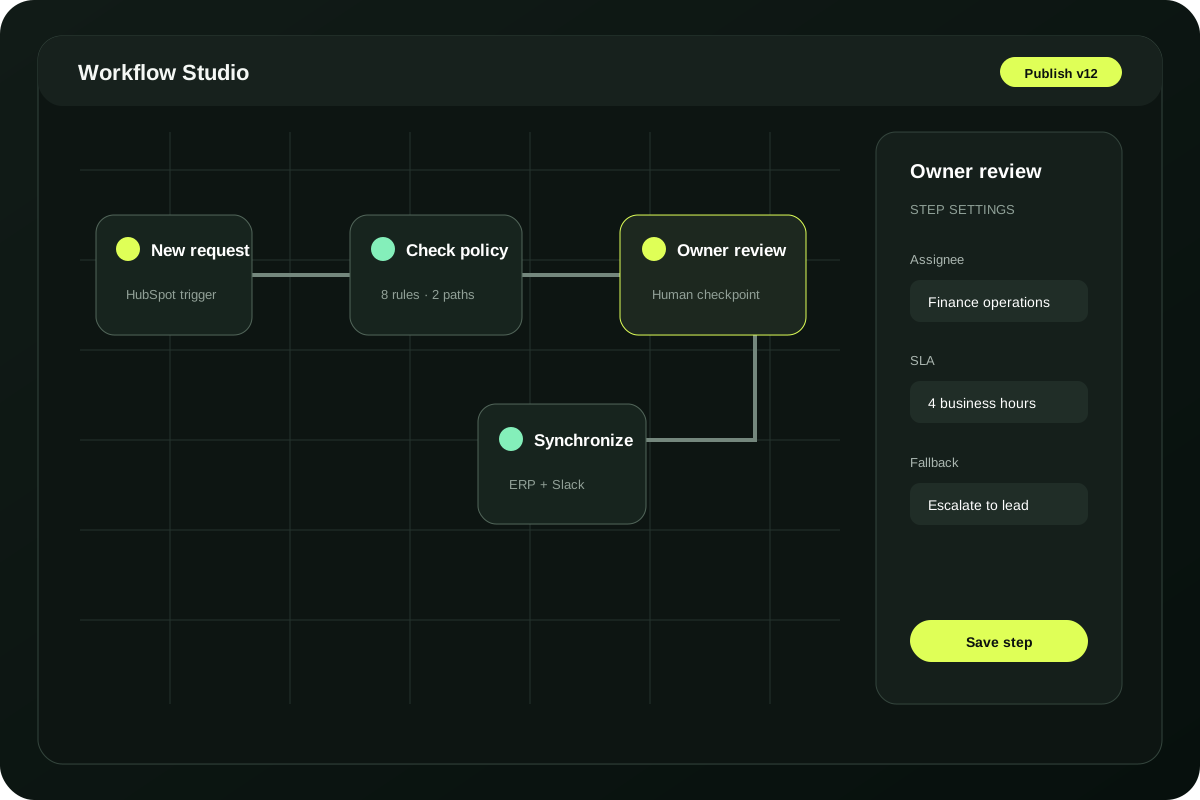
Begin with a workflow that has visible delay, repeated follow-up, or costly ambiguity.
The studio makes operational logic explicit: what starts a run, which data is trusted, where policy branches, who approves, and how the system should recover when reality breaks the happy path.
Model the real process as it operates today—including owners, decisions, timeouts, and edge cases.
Treat failure behavior as part of the design, not as an implementation detail discovered after launch.
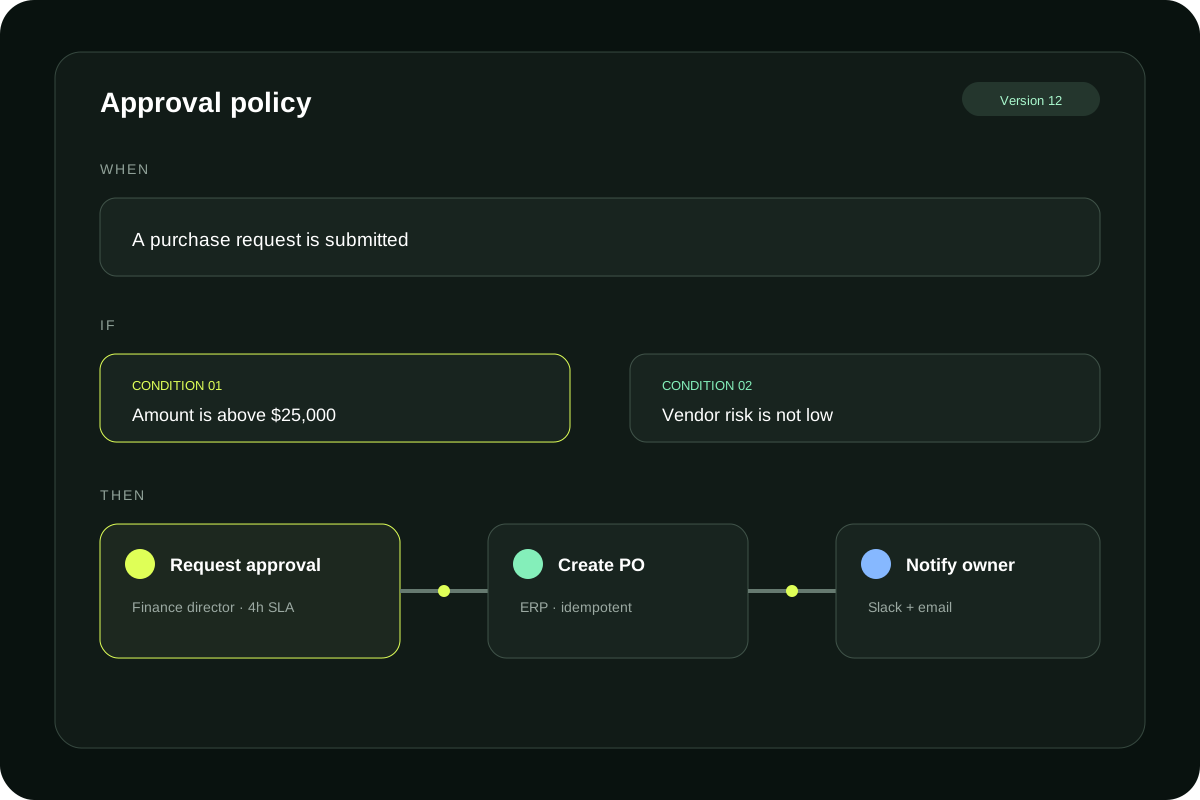
Decision rules sit beside the actions they control, with human checkpoints clearly marked.
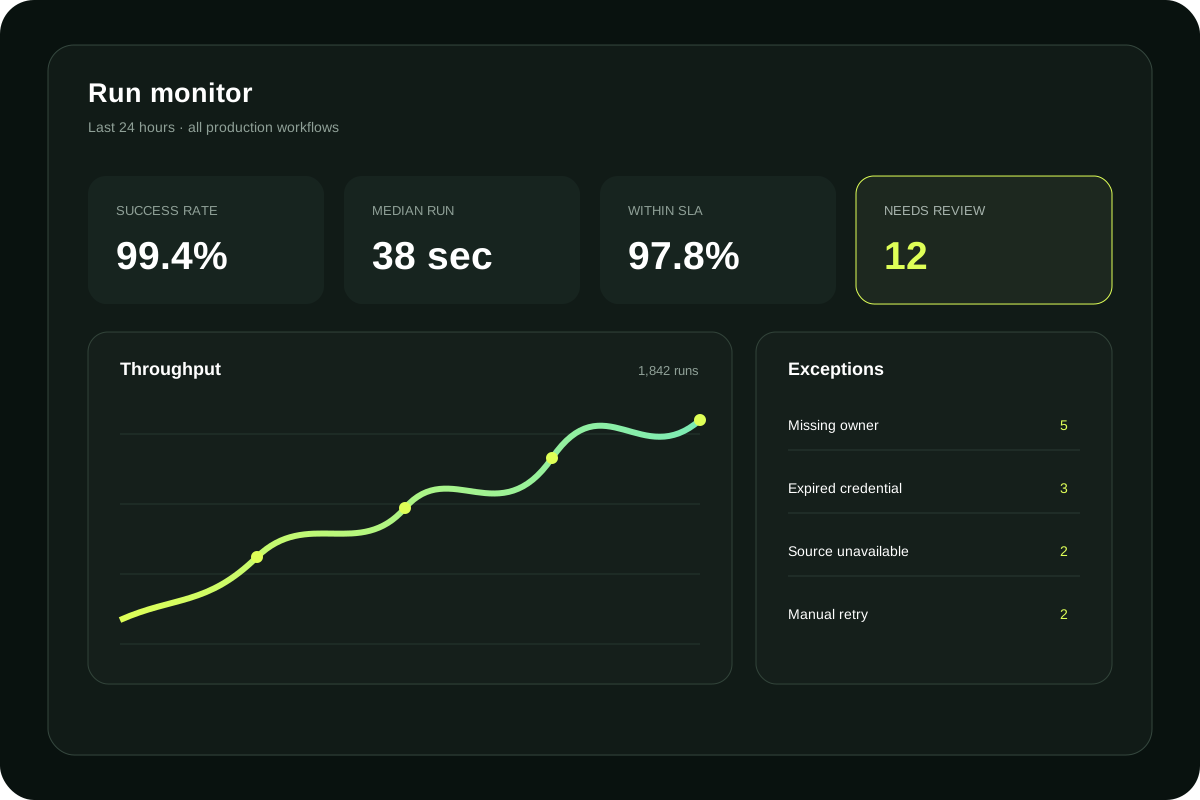
Operators can inspect live status, retry deliberately, and see who owns every exception.
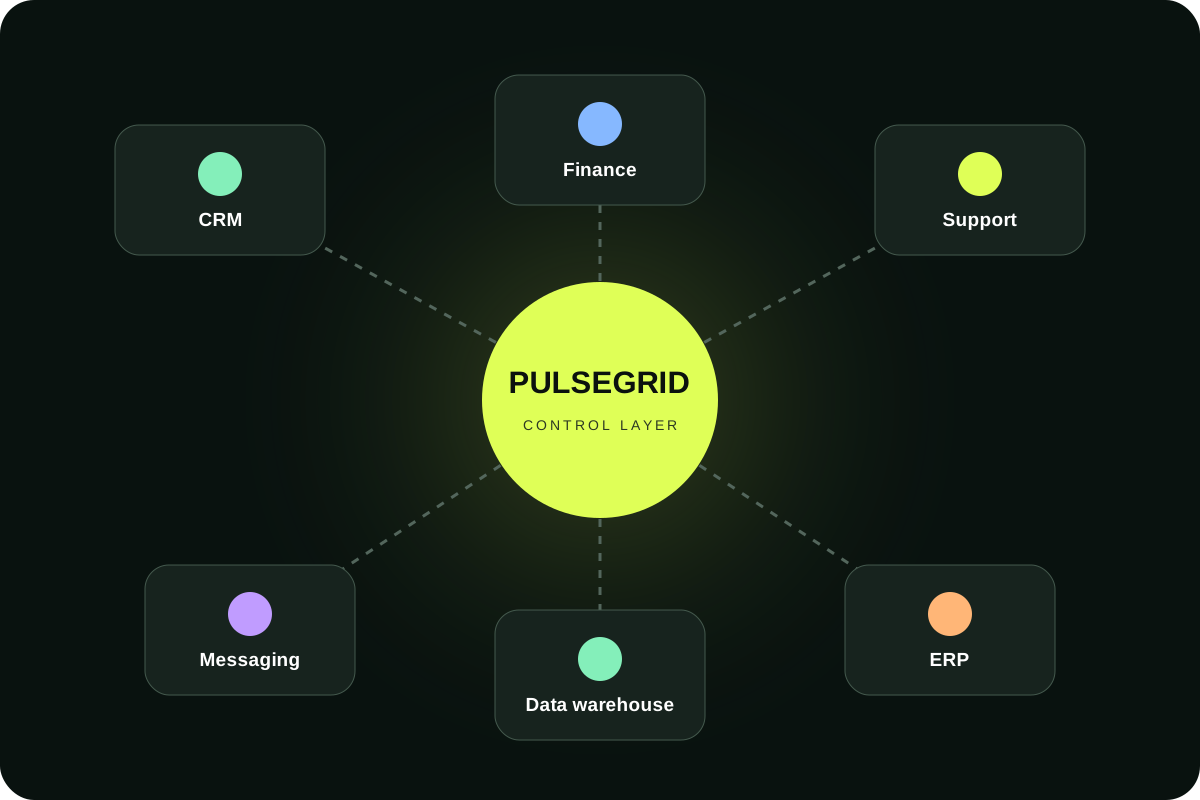
Connectors request only the access each workflow needs and make fallback behavior explicit.
Run evidence makes adoption, reliability, and exception patterns visible after launch.